Record Delivery Numbers and What They Mean
Lamborghini just proved that going all-in on hybrid technology won’t scare away supercar buyers. The Italian manufacturer delivered 10,747 vehicles globally in 2025, setting yet another all-time record. This marks the third consecutive year above 10,000 units, a milestone that seemed impossible for the boutique brand just five years ago.
The numbers tell a story of calculated risk paying off. While competitors hedge their bets with mixed lineups of traditional and electrified models, Lamborghini committed fully to hybridization across its entire range. The gamble worked: buyers embraced the Revuelto V12 hybrid flagship and the Urus SE plug-in SUV in numbers that exceeded even the company’s optimistic projections.
Lamborghini reports EMEA led with 4,650 deliveries, followed by Americas with 3,347 and Asia Pacific with 2,750. That European dominance makes sense given the region’s aggressive emissions regulations and established charging infrastructure. American buyers, traditionally skeptical of hybrid supercars, still showed up in force despite one source reporting a 25 percent U.S. tariff on Italian-made cars took effect in April.
For context, one source reports 2024 deliveries at 10,687 vehicles, meaning 2025’s growth came in modest but meaningful increments. This isn’t explosive expansion but rather controlled momentum, exactly what luxury buyers expect from exclusive brands. The real achievement isn’t the raw number but maintaining growth while completely transforming the product lineup.

All-Hybrid Strategy Versus Competitors
Lamborghini claims to be the only luxury super sports car manufacturer offering an entirely hybridised range, and the claim holds up. Ferrari maintains traditional V8 and V12 options alongside hybrids like the SF90. McLaren offers both conventional and hybrid Artura variants. Aston Martin still sells non-hybrid Vantage and DB12 models. Only Lamborghini went all-in.
This wasn’t inevitable. The brand could have kept a traditional Huracan successor alongside the hybrid Temerario, or offered a non-plug-in Urus variant. Instead, every new Lamborghini now carries batteries and electric motors. That’s either visionary leadership or dangerous overconfidence, depending on your perspective.
The market’s response suggests the former. Lamborghini reports the Temerario order book already covers approximately twelve months, before customer deliveries even begin in January. That’s remarkable for a model replacing the beloved naturally aspirated Huracan with a twin-turbo hybrid setup. Purists predicted revolt. Instead, deposits poured in.
One source reports the 2025 Temerario starts at an estimated $290,000, positioning it against rivals that offer both hybrid and traditional options at similar prices. Buyers are choosing the hybrid not because it’s their only Lamborghini option, but because the technology enhances rather than dilutes the experience. The instant torque fill from electric motors masks turbo lag, while regenerative braking adds a new dimension to track driving.
Breaking Down the Hybrid Arsenal
The record deliveries rest on three distinct interpretations of hybrid technology, each targeting different buyer priorities. At the flagship level, Lamborghini states the Revuelto delivers 1,001 horsepower from its V12 plus three electric motors. One source reports a starting price around $608,000, though fully optioned examples can reach $1.4 million. Despite the stratospheric pricing, demand remains robust.
The Urus SE brings plug-in hybrid technology to the super SUV segment with what Lamborghini claims is 789 horsepower and up to 37 miles of electric range. Multiple sources place starting prices between $279,000 and $345,000 depending on options. For buyers who need to drop kids at school before hitting the track, silent electric departure solves the angry neighbor problem that plagued previous Urus owners.
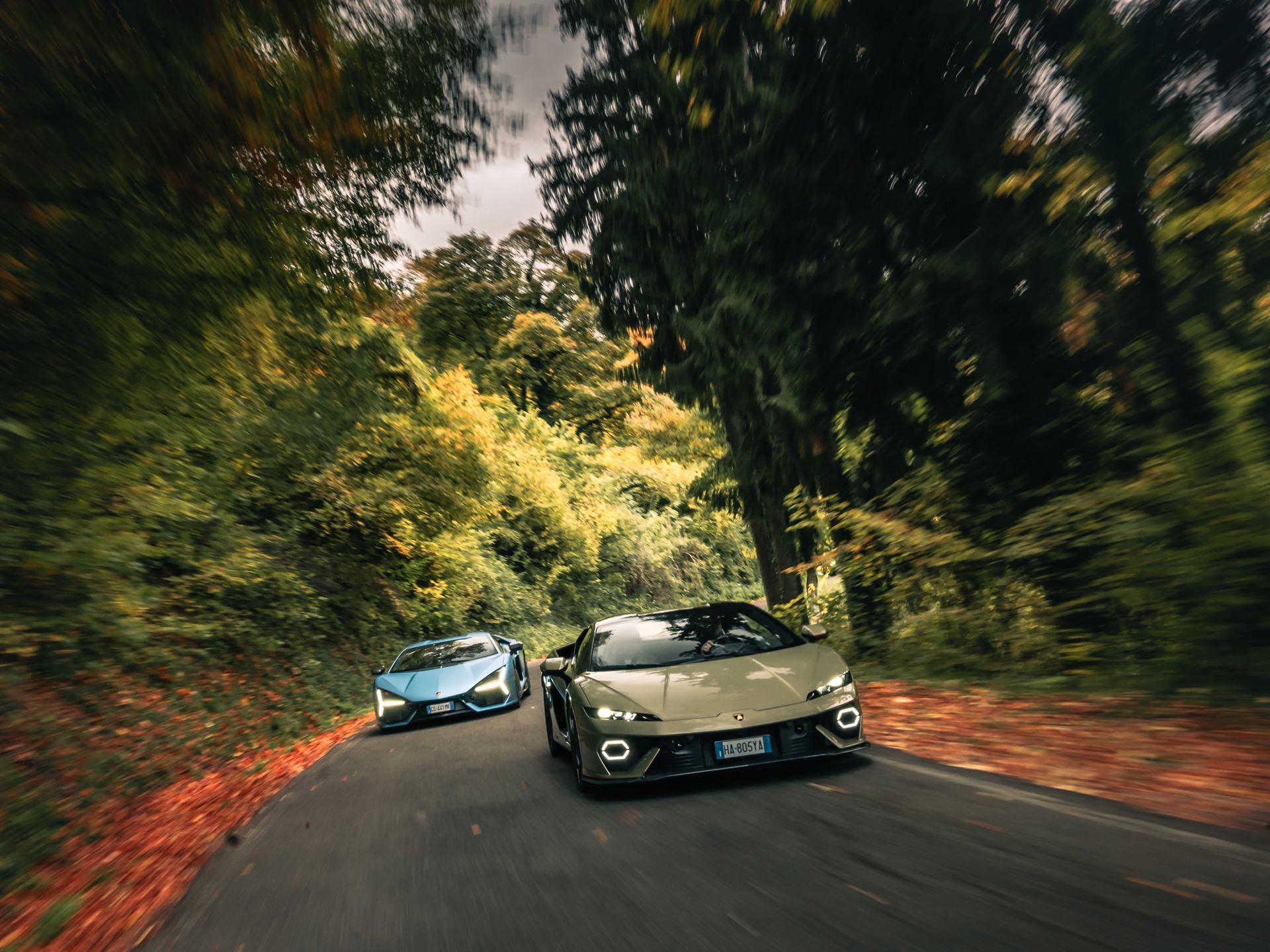
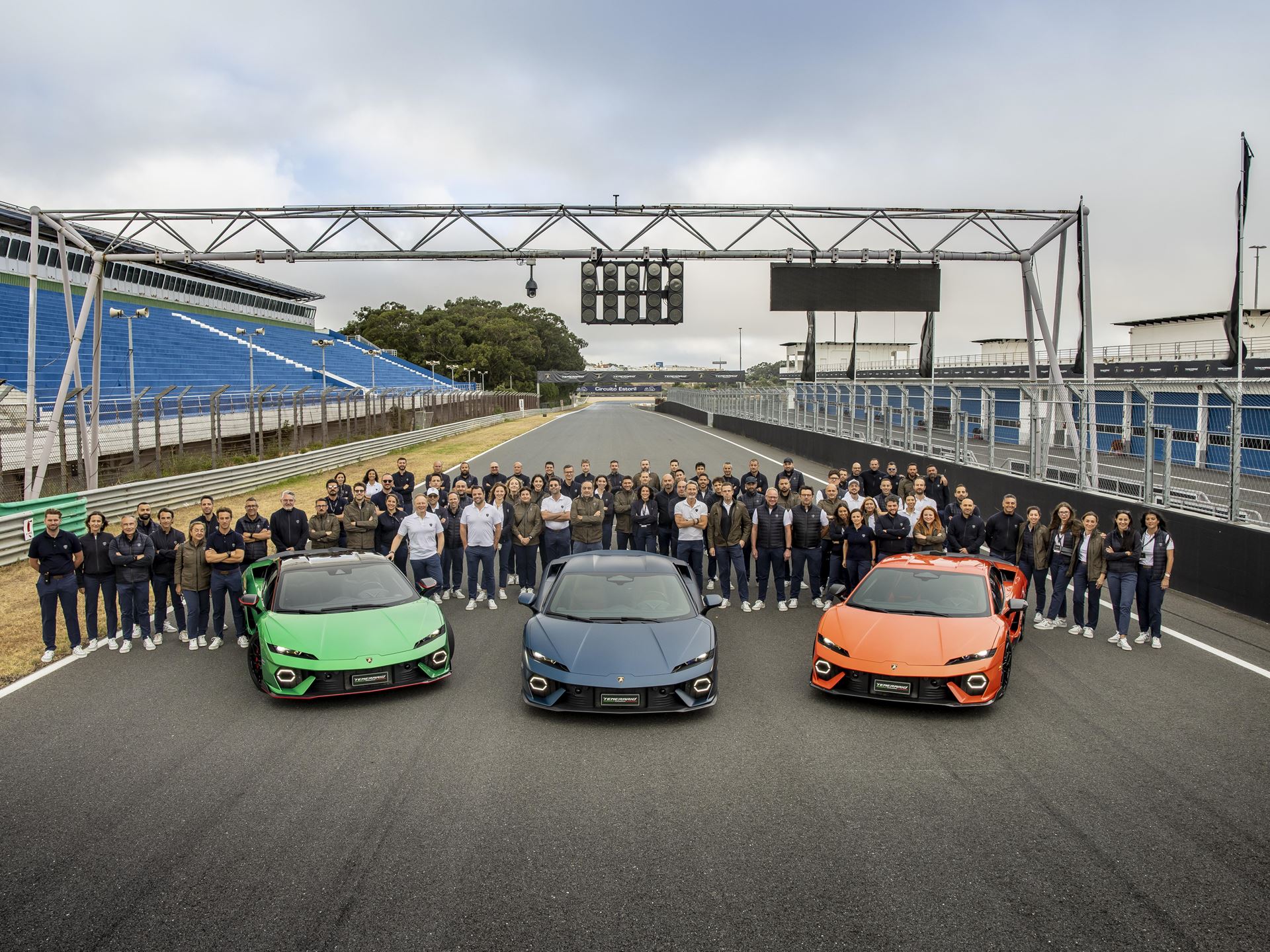
Lamborghini states Temerario customer deliveries begin in January with approximately twelve months of orders already secured. The mid-tier sports car replaces the Huracan’s naturally aspirated V10 with a twin-turbo V8 hybrid system. According to one report, the powertrain produces 907 horsepower while revving past 10,000 RPM, preserving the high-strung character buyers expect.
Beyond the volume models, Lamborghini announced Fenomeno as a limited series of 29 examples showcasing what it calls the most powerful V12 ever developed by the company. Lamborghini states Fenomeno delivers a total output of 1,080 CV (approximately 1,065 horsepower). At this rarified level, hybrid technology becomes a performance enabler rather than an emissions solution.
Regional Patterns Reveal Market Dynamics
The geographic distribution of those 10,747 deliveries tells its own story about global supercar economics. Europe’s leadership with 4,650 units reflects more than just Lamborghini’s Italian roots. The region’s combination of wealth concentration, established dealer networks, and cultural acceptance of high-performance cars creates ideal conditions for hybrid supercar adoption.
European buyers also face the most aggressive emissions regulations and urban access restrictions. In cities like London and Paris, the ability to enter low-emission zones in electric mode transforms these cars from weekend toys to semi-practical daily drivers. The Urus SE’s claimed 37-mile electric range suddenly matters when it means accessing areas forbidden to traditional supercars.
The Americas delivered 3,347 units despite facing unique headwinds. One source reports a 25 percent U.S. tariff on Italian-made cars took effect in April, adding significant cost to already expensive vehicles. Yet American buyers, traditionally the most resistant to automotive electrification, still showed up. The key difference: these hybrids enhance performance rather than compromise it.
Asia Pacific’s 2,750 deliveries came despite China’s economic slowdown and varying regional regulations. The smaller number reflects distribution challenges and market maturity rather than lack of demand. In markets like Japan and Singapore, where fuel prices and emissions taxes punish traditional supercars, Lamborghini’s hybrid pivot positions them perfectly for future growth.
Limited Editions and Racing Ambitions
While volume models drove the record numbers, Lamborghini’s special projects reveal where the brand sees its future. The Fenomeno limited edition, restricted to just 29 examples, serves as what Lamborghini calls a new design manifesto. More than just another special edition to extract maximum profit from collectors, it previews styling directions and technology integration for future models.
Lamborghini states Fenomeno delivers 1,080 CV from what it calls the most powerful V12 ever developed by the company. That’s 65 horsepower more than the already potent Revuelto, achieved through further hybrid system optimization. For the 29 buyers, it’s a glimpse at what’s possible when cost constraints disappear.
Lamborghini announced the Temerario GT3 will debut in major GT3 championships in 2026, marking the company’s return to customer racing with a hybrid platform. This isn’t just about selling race cars to wealthy amateurs. Success in GT3 validates the technology for skeptical buyers and provides real-world development data. Ferrari learned this lesson with the 296 GT3, proving hybrid systems could survive endurance racing’s demands.
The racing program also helps Lamborghini stay relevant to younger audiences who might never afford the road cars. Every victory, every dramatic failure, every spectacular crash becomes marketing content that traditional advertising can’t replicate. When today’s sim racers become tomorrow’s tech entrepreneurs, Lamborghini wants to be their reward purchase.
Gallery